
What a Bentwood engagement looks like in practice.
The patterns below describe the kinds of projects Bentwood handles. Multi-state medical rollouts, industrial expansions, portfolio refreshes. Each section walks through the operating problem, our approach, and the kind of outcome our process is designed to produce.
A note on what you're reading: These are representative engagement patterns drawn from the types of work Bentwood delivers. Specific project names, locations, and metrics are confidential to our clients. We'll walk through real project references on a call under NDA. tell us what you're evaluating and we'll bring the relevant ones to the conversation.
Multi-State Medical Group Rollout
When a medical group commits to multi-state expansion, the construction challenge isn't any one clinic. It's consistency at scale.

The Operating Problem
A growing medical group. DSO, multispecialty group, or specialty rollup. Commits to opening 8–20 new locations across multiple states over a 12–18 month window. Each clinic must be built to identical brand and clinical standards. Each must pass state-specific licensing on first inspection. Each must open within a 2-week window of its committed date because provider productivity and lease economics depend on it.
The wrong contractor model, with a different GC per state learning each market from scratch, turns this into a coordination nightmare: different process, different communication style, different finishes, different surprises. Headquarters spends more time herding contractors than supporting clinical operations.
How Bentwood Approaches It
One named PM relationship covers the entire rollout, not one PM per state. Every clinic is built to the same documented finish standard, the same ICRA-aware sequencing, the same long-lead-equipment tracking discipline. State-specific licensing, sub prequalification, and code interpretation are handled by us, not by the client's facilities team.
Our proprietary delivery platform gives the client's operations leadership one view of all clinics-in-progress at once: schedule status, cost position, decision queue, equipment delivery, and open RFIs across the entire rollout. When something is at risk in Clinic #7, the leadership team sees it without a status meeting.
What Makes It Hard
- Brand and clinical-standard consistency across geographies
- State-specific licensing and inspection requirements
- Long-lead medical equipment procurement (12-20 weeks for imaging, sterilization equipment)
- Phased opening windows tied to provider start dates and lease commencement
- ICRA discipline if any clinic is in an active medical building
- Stakeholder coordination across landlords, architects, equipment vendors, IT, medical staff
Characteristic Outcomes
Manufacturer Multi-Facility Expansion
When production cannot pause for our convenience. The construction has to happen around the line, not through it.

The Operating Problem
A manufacturer with a primary facility plus 2–4 satellite operations needs to expand capacity, add cold storage, or upgrade process infrastructure. The work spans multiple states. Every facility runs on a shift schedule the construction has to respect. Long-lead equipment (transformers, switchgear, refrigeration systems) drives the critical path more than labor does. Any unplanned production interruption costs the client more than the construction work itself.
Most contractor relationships do not transfer across facilities. The contractor who was great at the TN plant rebids the GA expansion from scratch, learns the building, the shifts, and the operating culture all over again. The client absorbs the learning curve every time.
How Bentwood Approaches It
One operating discipline runs every facility in the program. The same long-lead-procurement tracking applied at the primary facility runs identically at every satellite, along with the same shift-coordination protocols and the same safety culture (OSHA discipline plus the client's internal standards), enforced by the same Bentwood team rather than relearned by each new GC.
Our proprietary delivery platform tracks every long-lead item from submittal through approval, fabrication, and delivery. Across every facility in the program. When a transformer's lead time slips at the vendor, the client's facilities leadership sees the schedule impact before the milestone misses. That's a different conversation than the one most clients get.
What Makes It Hard
- Multiple active facilities, each with its own shift schedule
- Long-lead equipment (12–24+ weeks for switchgear, transformers, refrigeration)
- Process utility integration covering clean air, water, gas, and power
- Safety culture transferring across geographies and crews
- Containment and dust control during sensitive production runs
- Multi-jurisdictional permitting and code interpretation
Characteristic Outcomes
Multi-State Portfolio Engagement
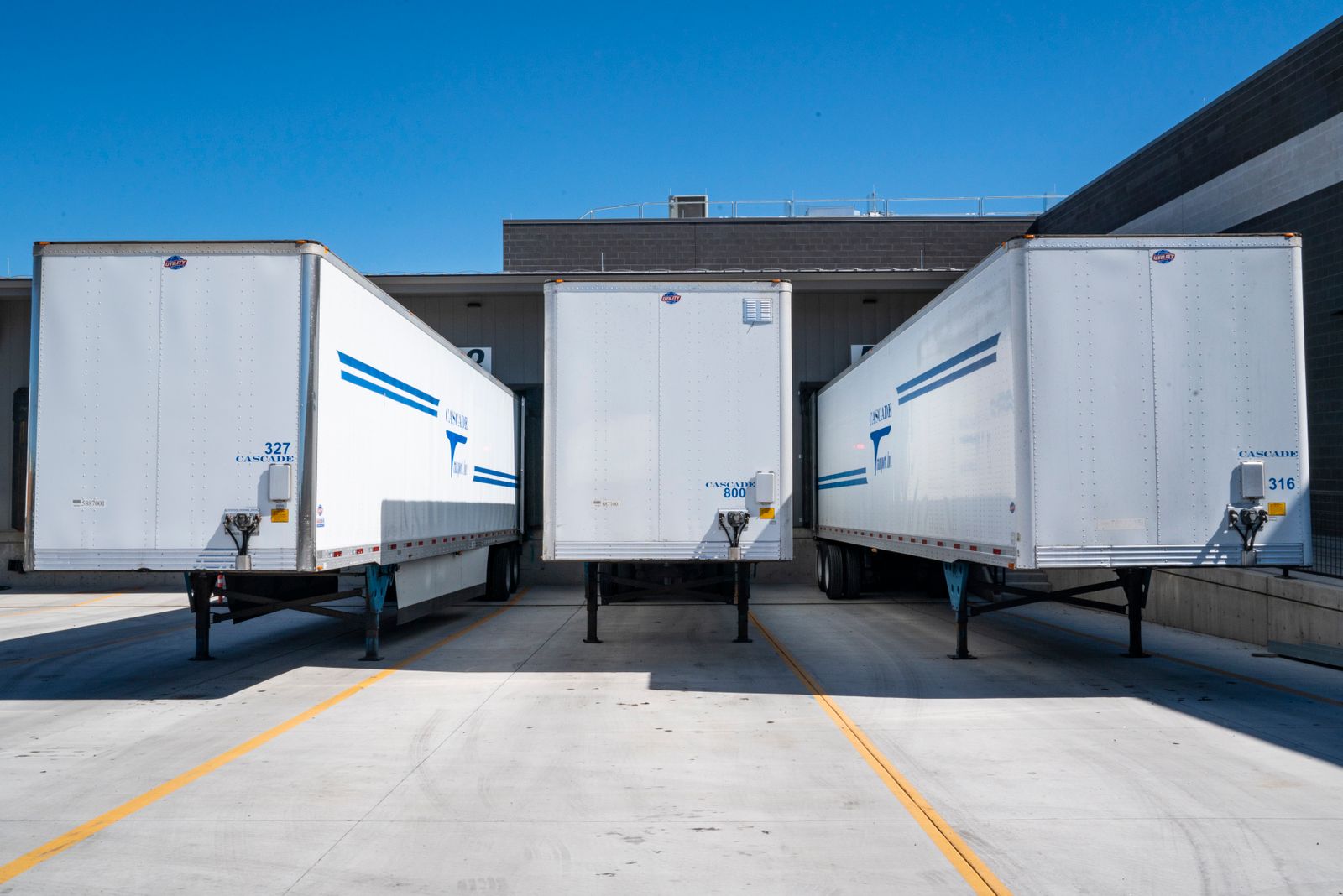
When you're managing 15 buildings across 4 states, you don't want 15 contractor relationships. You want 1 Bentwood.
The Operating Problem
A property management firm or REIT manages 10–30 buildings across 3–5 states. The work flow is steady but unpredictable: a tenant vacates and the suite needs a white-box turn before the next tenant signs; an anchor tenant expands and needs a full TI; the roof on Building 4 needs replacement before next winter; lobby renovations are scheduled across half the portfolio.
Without a repeat-relationship contractor, the firm is constantly evaluating bids from contractors who don't know the buildings, learning curves accumulate every project, and tenant complaints compound because every new GC has its own interpretation of "professional behavior on site."
How Bentwood Approaches It
One Bentwood relationship covers every project across the portfolio, with one named PM contact who knows the buildings, the tenants, and the standards. Standardized pricing templates for recurring work types keep the bid process fast and the price predictable, and standardized tenant-facing behavior means every crew represents the building the same way.
Our proprietary delivery platform gives the asset-management team a portfolio view of every active project at once: white-box turns in progress, TIs in design, CapEx work in permitting, all visible in one place with the schedule and cost position for each. It's the view contractors have always promised property managers and rarely delivered.
What Makes It Hard
- Volume and unpredictability across many small projects with irregular timing
- Standards consistency across building classes and geographies
- Tenant-facing behavior (clean sites, quiet operations) at every property
- Predictable pricing for recurring work types so landlords can budget
- Insurance, compliance, and sub prequalification handled per-state
- Emergency work (water, fire, storm) on top of planned work
Characteristic Outcomes
Different project shape than these?
These three patterns describe most of what we do, but every project has its own shape. If yours doesn't quite fit one of them, that's fine, tell us about the operational problem you're trying to solve. We'll be honest about whether Bentwood is the right partner before we propose anything.
Real project references and metrics available under NDA on a call.
Contact Bentwood